Benefits of Aging in Place: Why Staying at Home Can Enhance Quality of Life
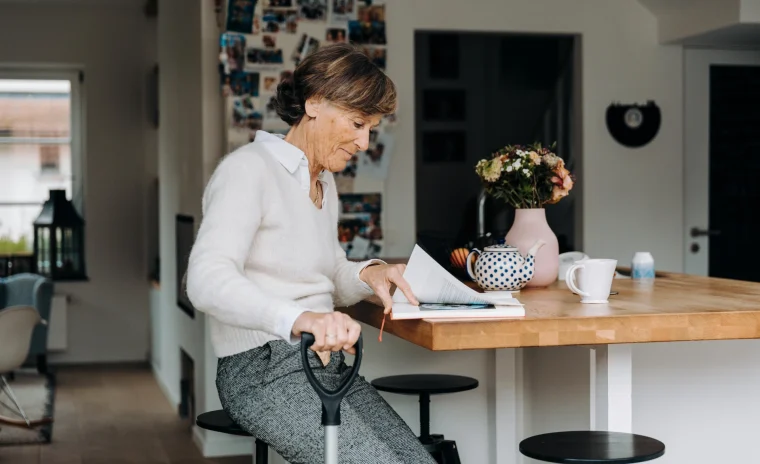
As people grow older, one of the most important decisions they face is where and how they want to live. For many seniors, remaining in the comfort of their own home is not just a preference, it’s a deeply meaningful choice. The benefits of aging in place go beyond convenience, offering emotional, physical, and financial advantages that contribute to a higher quality of life.
Aging in place allows older adults to stay in familiar surroundings while maintaining control over their daily routines. With thoughtful planning and support, it can be a safe and fulfilling option that promotes dignity and independence.
What Does Aging in Place Mean?
Aging in place refers to the ability of seniors to live in their own home safely, independently, and comfortably as they age. Instead of moving to assisted living facilities or nursing homes, individuals adapt their current living environment to meet changing needs.
This approach emphasizes maintaining independence in old age, while still ensuring access to necessary care and support when needed.
Emotional Benefits of Staying at Home
One of the most significant benefits of aging in place is the emotional comfort it provides. Home is more than just a physical space, it holds memories, routines, and a sense of identity.
- Familiarity Reduces Stress
Being surrounded by familiar objects, neighbors, and routines helps reduce anxiety and confusion, especially for seniors dealing with cognitive changes. A stable environment can have a calming effect and improve overall mental well-being.
- Stronger Sense of Control
When seniors remain in their own homes, they retain control over their schedules, meals, and lifestyle choices. This autonomy plays a vital role in boosting confidence and self-esteem.
- Connection to Community
Staying in the same neighborhood allows older adults to maintain relationships with friends, neighbors, and local organizations. These connections help prevent loneliness and promote a sense of belonging.
Physical and Health Advantages
Aging in place can also support better physical health when the home is properly prepared.
- Reduced Risk of Illness
Living at home limits exposure to infections that can spread in communal living environments. This is especially important for seniors with weakened immune systems.
- Personalized Living Environment
At home, seniors can tailor their space to suit their needs. Incorporating aging in place design ideas, such as grab bars, non-slip flooring, and improved lighting, can significantly enhance safety and mobility.
- Encouragement of Daily Activity
Being in a familiar setting encourages seniors to stay active through everyday tasks like cooking, gardening, or light cleaning. These activities contribute to better physical health and mobility.
Financial Benefits
Another important aspect of the benefits of aging in place is cost efficiency.
- Lower Long-Term Costs
While there may be initial expenses for home modifications, aging in place is often more affordable than long-term care facilities. Monthly fees for assisted living can quickly add up, making staying at home a more economical option.
- Flexible Care Options
Seniors can choose the level of care they need, whether it’s occasional assistance or full-time support. This flexibility allows families to manage expenses more effectively.
Maintaining Independence in Old Age
Independence is a key factor in overall happiness and well-being for seniors. Aging in place supports maintaining independence in old age by allowing individuals to:
- Make their own decisions
- Follow personal routines
- Maintain privacy and dignity
Even small choices, like what to eat or when to wake up, can have a big impact on a senior’s sense of autonomy.
Preparing the Home for Safety and Comfort
To fully enjoy the benefits of aging in place, it’s essential to ensure the home is safe and accessible. Preparing home for elderly parents involves making thoughtful adjustments that reduce risks and improve usability.
Key Home Modifications
- Install handrails and grab bars in bathrooms
- Improve lighting in hallways and staircases
- Remove tripping hazards like loose rugs
- Widen doorways for mobility aids if needed
- Add ramps or stairlifts for easier access
These changes not only enhance safety but also provide peace of mind for both seniors and their families.
Aging in Place Checklist
Creating an aging in place checklist can help ensure all essential aspects are covered. Here are some important considerations:
- Home Safety
- Secure flooring and eliminate hazards
- Install smoke and carbon monoxide detectors
- Ensure easy access to emergency contacts
- Health and Wellness
- Schedule regular medical check-ups
- Organize medications properly
- Maintain a balanced diet and exercise routine
- Support System
- Identify nearby family members or caregivers
- Arrange transportation options
- Stay connected with community services
Having a checklist makes the transition smoother and ensures nothing is overlooked.
The Role of Family Involvement
Family involvement in elderly care plays a crucial role in successful aging in place. Support from loved ones helps seniors feel valued, and connected.
- Emotional Support
Regular visits, phone calls, and shared activities strengthen emotional bonds and reduce feelings of isolation.
- Practical Assistance
Family members can help with tasks like grocery shopping, home maintenance, and managing appointments.
- Loved and Safety
Loved ones can monitor changes in health or behavior and step in when additional care is needed.
A collaborative approach ensures that seniors receive the support they need while still enjoying their independence.
Aging in Place Design Ideas for Better Living
Incorporating smart aging in place design ideas can transform a home into a safer and more functional space.
- Open Layouts
Reducing clutter and creating open spaces makes it easier to move around, especially for those using mobility aids.
- Smart Home Technology
Devices like voice-activated assistants, automated lighting, and security systems can enhance convenience and safety.
- Accessible Kitchens and Bathrooms
Lower countertops, walk-in showers, and easy-to-reach storage make daily tasks more manageable.
These design improvements not only enhance safety but also improve overall comfort and quality of life.
Challenges to Consider
While the benefits of aging in place are substantial, it’s important to acknowledge potential challenges.
- Home modifications may require upfront investment
- Access to immediate medical care may be limited
- Social isolation can occur without regular interaction
Addressing these challenges with proper planning and support can make aging in place a viable and rewarding option.
Final Thoughts
The benefits of aging in place extend far beyond convenience, they touch every aspect of a senior’s life, from emotional well-being to physical health and financial stability. Staying at home allows older adults to maintain their independence, preserve meaningful routines, and remain connected to their community.
With the right preparation, thoughtful home modifications, and strong family involvement in elderly care, aging in place can provide a safe, comfortable, and fulfilling lifestyle. By focusing on safety, accessibility, and support, families can create an environment where seniors not only live, but truly thrive.